
Roma
April 16 - 19, 2027
Benvenuti a Roma!
Our Italian adventure starts in the Eternal City, where ancient ruins sit right next to sidewalk cafés and every corner seems to hold a fountain, a piazza, or a plate of pasta worth stopping for. We’ll arrive on April 16 and spend 3 nights at our Airbnb in [TBD], with plenty of time to see the big sights and still linger over a long Roman dinner.
Comfortable shoes are a must!
Roma, One Day at a Time
-
10:20 AM: Land at Fiumicino. Allow 45 to 90 minutes for passport control and bags, then our pre-booked van (45 to 60 min) takes us to the apartment to drop bags.
About 1:30 to 2:00 PM: Easy lunch near the apartment.
Afternoon: Nap and shower.
Early evening: A slow wander to the prettiest square nearby (Navona, the Pantheon, or Campo de’ Fiori) for a birthday drink.
Dinner: Birthday dinner close by, then an early night. The big stuff waits until we’ve slept!
-
7:45 AM: Taxi to the Vatican Museums (10 to 15 min) or walk (about 30 min).
8:00 AM: Guided tour of the Vatican Museums and Sistine Chapel (about 3 hours).
About 11:00 AM: St. Peter’s Basilica (free). The dome climb is optional, €10 to €17. Shoulders and knees must be covered.
Lunch: In Prati, near the Vatican.
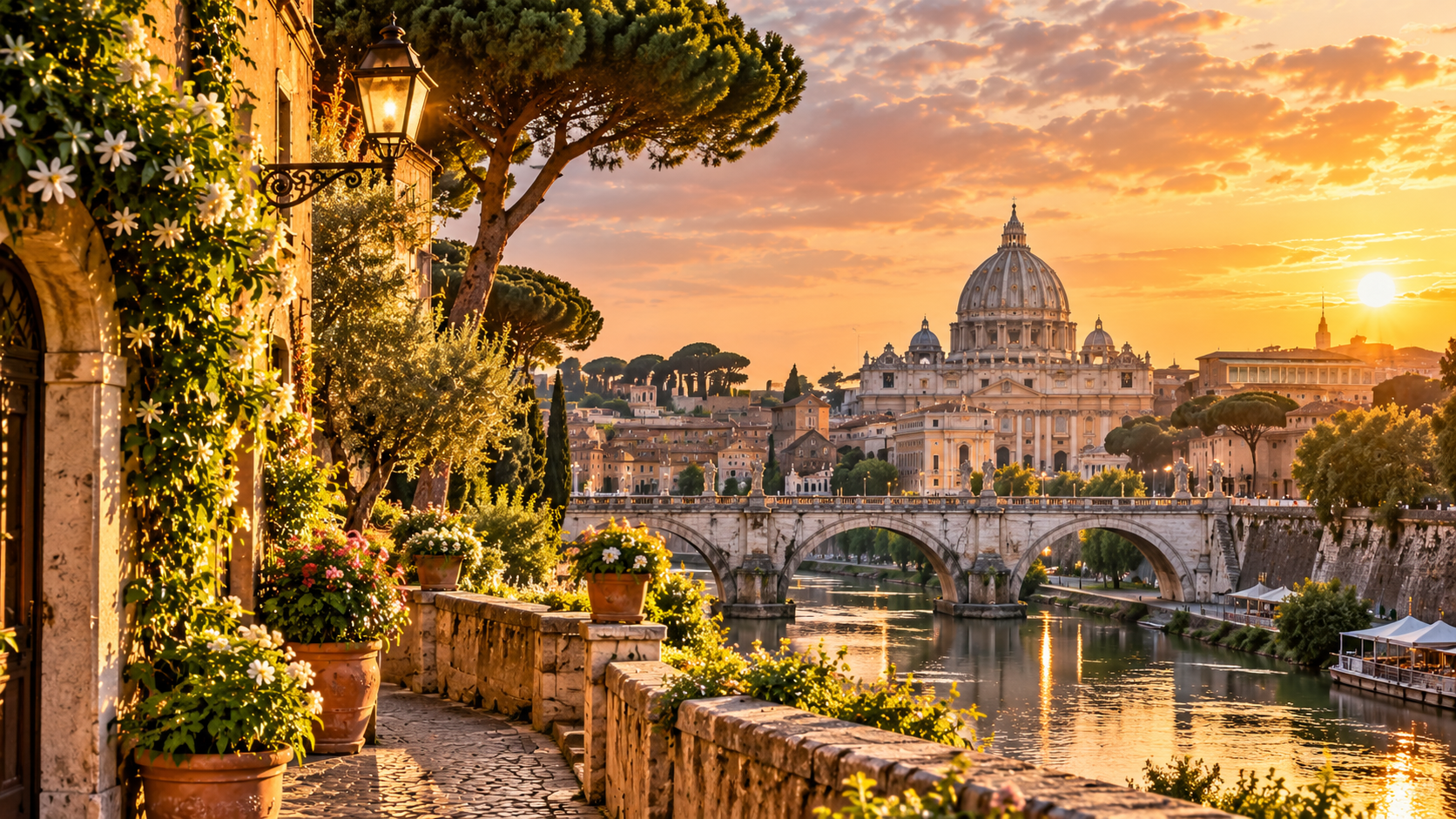
Afternoon: Stroll down Via della Conciliazione to Castel Sant’Angelo and across the Angel Bridge, then on to Piazza Navona for gelato.
Late afternoon: Rest at the apartment.
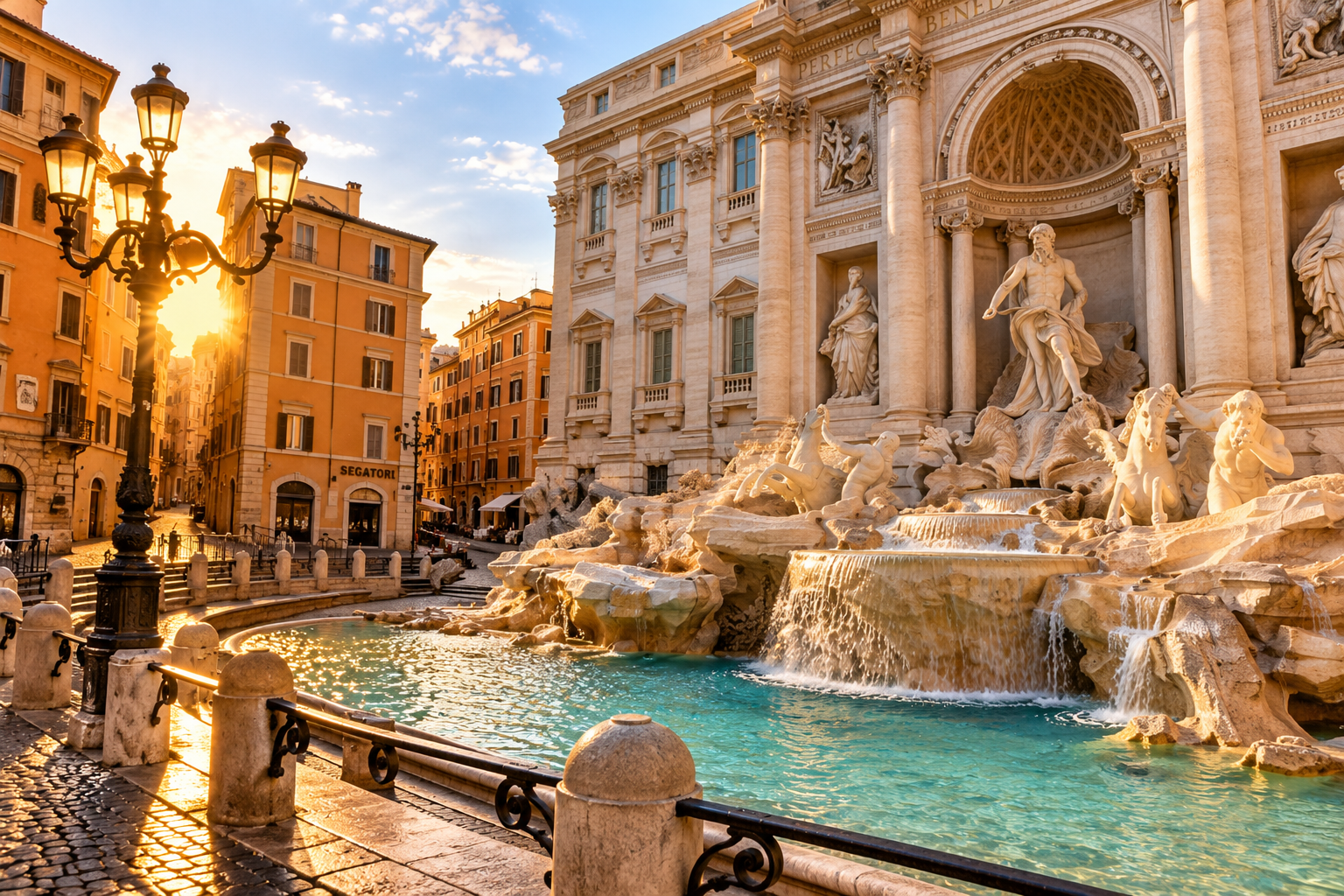
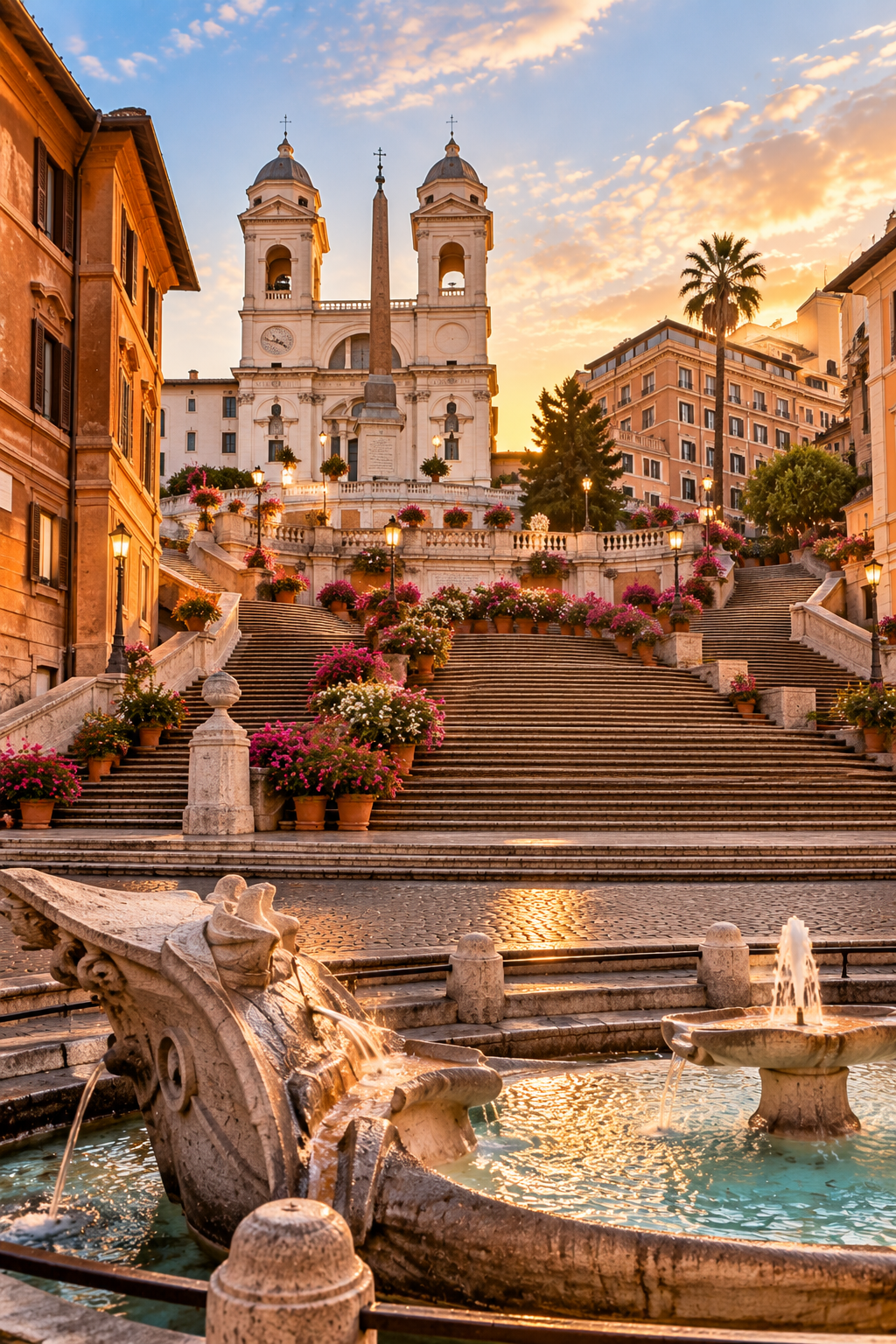
About 5:00 PM, the big evening walk (about 2 km): The Pantheon, then Trevi Fountain, then the Spanish Steps (no sitting, it’s a fineable offense!), then down Via del Babuino to Piazza del Popolo. Climb to the Pincio terrace for sunset around 7:50 PM.
Dinner: Near Piazza del Popolo or the Spanish Steps.
Tip: Our tour should end with direct access from the Sistine Chapel into St. Peter’s, which skips the security line. Dome climbers, head straight to the dome ticket line before the tour groups arrive.
-
8:30 AM: Walk or taxi to Monti.
9:00 AM: San Pietro in Vincoli for Michelangelo’s Moses (free, 15 to 20 min). Bring a few coins for the light box.
9:30 AM: Short walk to the Colosseum for photos. The €18 ticket covers the Colosseum, Forum, and Palatine, so anyone can pop inside.
About 10:00 AM: Palatine Hill, a short loop for the views over the Circus Maximus and the Forum.
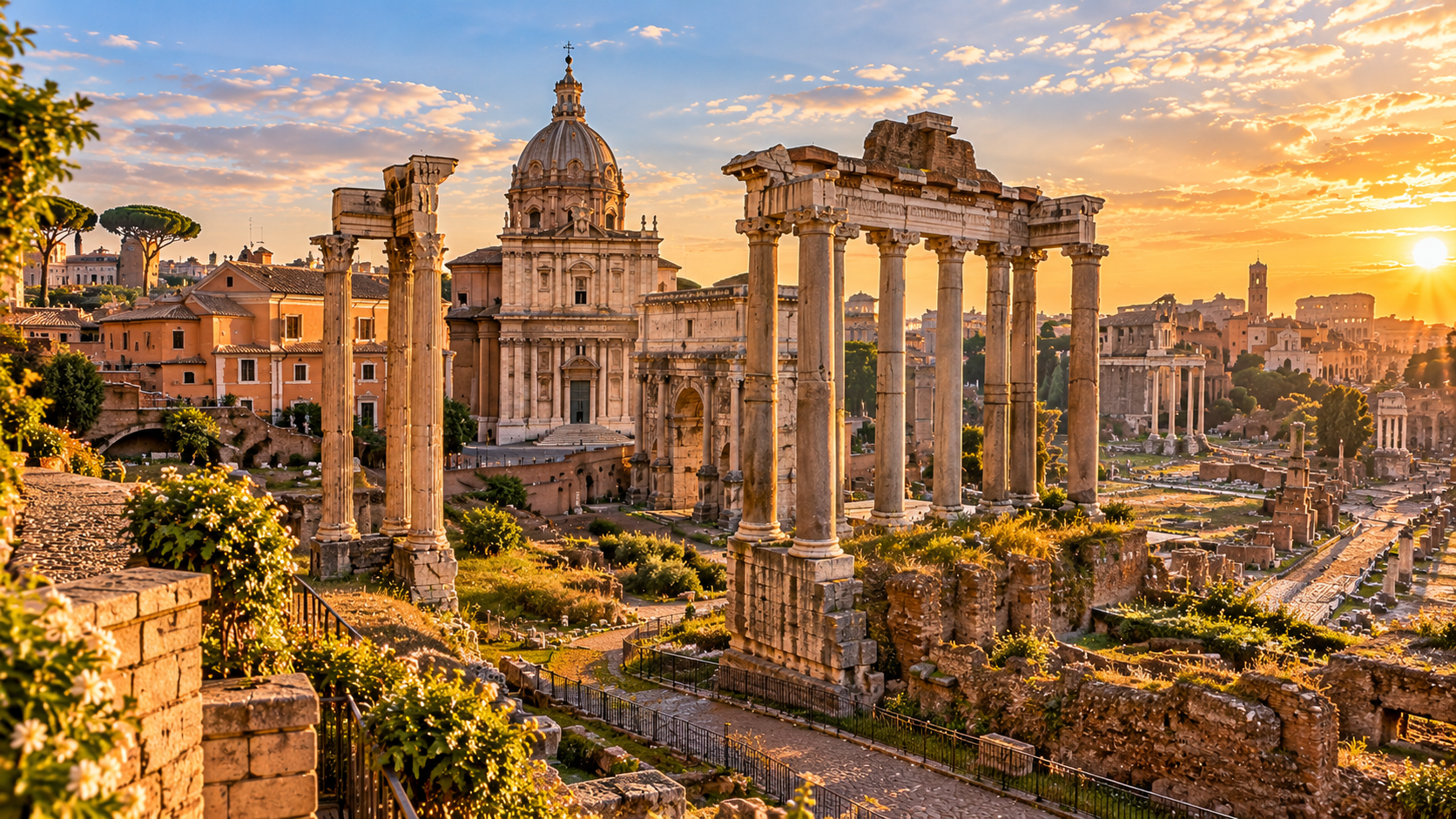
About 10:45 AM: The Roman Forum (2 to 2.5 hours). Book a guide or download a free audio tour like Rick Steves’ for the history.
About 1:00 PM: Up to the Campidoglio overlook, then down to Piazza Venezia.
Lunch: The Jewish Ghetto. April is artichoke season, so order the carciofi alla giudia!
Afternoon: Rest.
Evening: Aperitivo in Campo de’ Fiori, then dinner across the river in Trastevere.
Optional sunset: Taxi to the Aventine for the famous keyhole and the Orange Garden (both free), then walk down to Trastevere for dinner.
-
About 9:15 AM: Two taxis to Termini.
About 9:57 AM: Direct InterCity train to Monterosso (about 4 hours). Grab sandwiches at Termini for the ride.
When in Roma…
-
Coffee beans from Rome’s famous cafés: Sant’Eustachio Il Caffè and Tazza d’Oro, both steps from the Pantheon, sell their own roasted beans. Grab an espresso while you’re there and take a bag home.
Pecorino Romano: Rome’s own cheese, the backbone of cacio e pepe, carbonara, and gricia. Antica Caciara in Trastevere is an old cheese shop where they’ll vacuum seal it for the flight. Bring home a wedge and make cacio e pepe to remember the trip.
Micromosaics: Tiny mosaics made from slivers of glass, a Roman craft that took off when Grand Tour travelers wanted souvenirs in the 1700s. Look for pendants, earrings, and small framed pieces. The real ones are handmade and pricey, so it’s a splurge.
Vatican stamps, postcards, and coins: Mail a postcard from the Vatican’s own post office with Vatican stamps. The Vatican also mints its own euro coins, sold as collector sets.
Rosaries and religious keepsakes: The shops around St. Peter’s are full of them, and many people bring theirs to be blessed.
Art from Via Margutta: The artists’ street near Piazza del Popolo (where Gregory Peck’s apartment was in Roman Holiday) has galleries and studios selling prints and small works. It’s right on our Saturday evening route.
Something from the hills: Frascati white wine comes from the Castelli Romani just outside Rome, and Sambuca, the anise liqueur, comes from the coast nearby.
-
The four Roman pastas: Try them all! Cacio e pepe (pecorino and black pepper), carbonara (egg, pecorino, and guanciale), amatriciana (tomato and guanciale), and gricia (carbonara without the egg).
Carciofi: April is artichoke season. Order them alla giudia (fried crispy in the Jewish Ghetto) and alla romana (braised with mint and garlic).
Supplì: Fried rice balls with a gooey mozzarella center. Pull one apart and the cheese stretches like a telephone cord, which is why they’re also called supplì al telefono.
Pizza al taglio: Pizza by the slice, sold by weight. Point, and they’ll cut it with scissors.
Saltimbocca alla romana: Veal with prosciutto and sage. The name means “jumps in the mouth.”
Fiori di zucca: Fried zucchini blossoms stuffed with mozzarella and anchovy, a spring treat.
Trapizzino: A pizza pocket stuffed with Roman stews. Perfect for lunch on the go.
Maritozzi: Sweet buns split and filled with whipped cream. A classic Roman breakfast.
Gelato tip: Skip the shops with gelato piled sky-high in bright colors. The good stuff is kept in flat or covered metal tins, and pistachio should be a dull green, not neon.
Coffee rules: Cappuccino is a morning-only drink in Italy. After lunch, order un caffè (espresso). Standing at the bar is cheaper than sitting at a table.
-
SPQR everywhere: Look down! Manhole covers, lampposts, and buildings are stamped with SPQR, which stands for “the Senate and People of Rome,” the city’s motto for over 2,000 years.
The nasoni: Those little iron drinking fountains on street corners have fresh, cold water, and it’s free. Plug the spout with your finger and water shoots up from a hole on top so you can drink.
The she-wolf: Rome’s symbol is the wolf that raised Romulus and Remus, the city’s legendary founders. Count how many you spot.
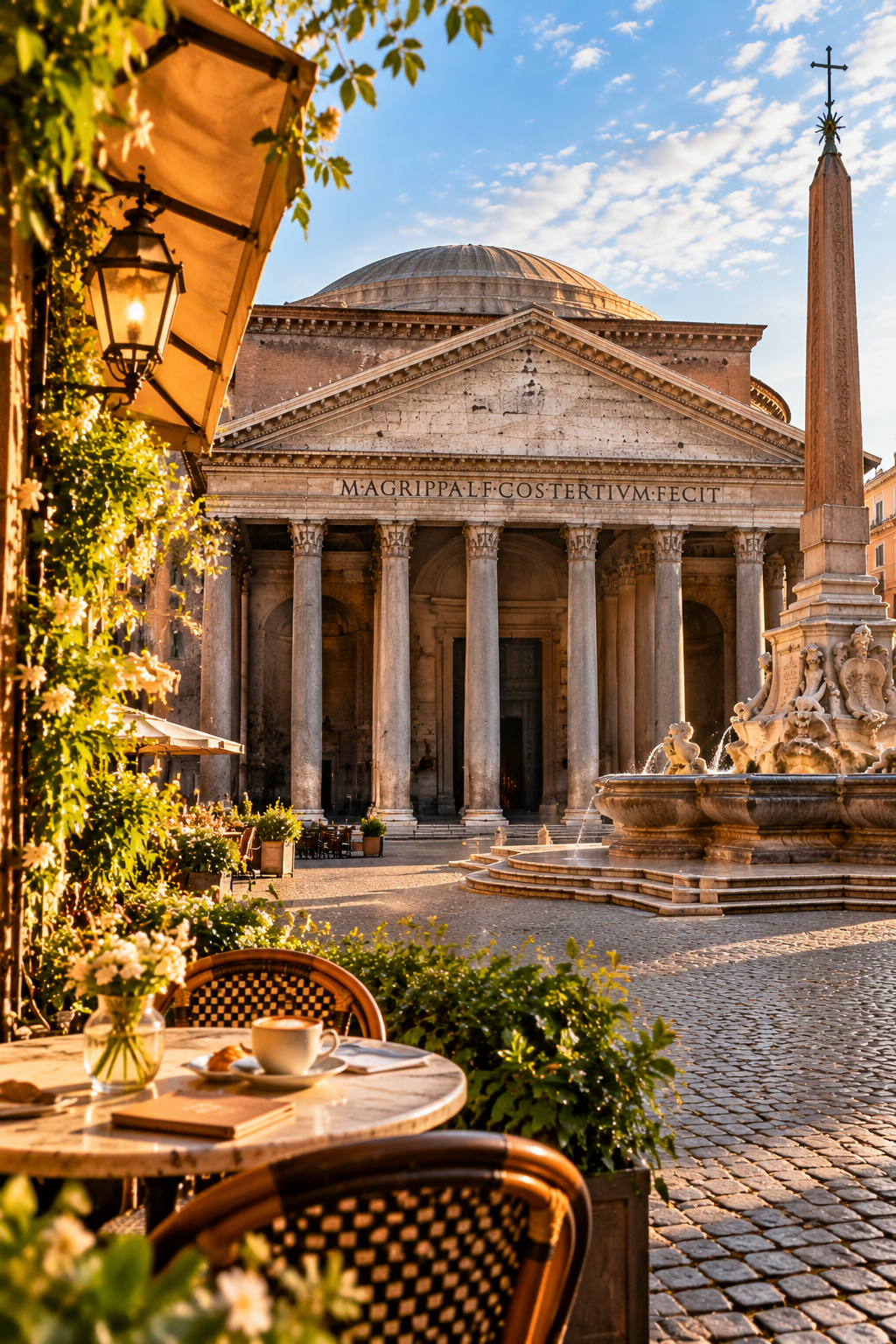
Rain in the Pantheon: The oculus at the top of the dome is open to the sky. When it rains, it rains inside, and small holes in the floor drain the water away.
Trevi Fountain coins: About €1.5 million is tossed in every year, and it all goes to charity. Toss with your right hand over your left shoulder to make sure you return to Rome.
Cats of Largo Argentina: Near the Pantheon is a sunken square of ruins full of stray cats. It’s close to where Julius Caesar was killed.
Pasquino, the talking statue: Just off Piazza Navona is a battered old statue where Romans have been posting anonymous complaints and jokes for 500 years. Look for notes taped to it.
The Four Rivers fountain: Bernini’s fountain in Piazza Navona. Legend says one of the figures is shielding his eyes from his rival Borromini’s church across the square. (It’s not true, since the church came later, but it’s a great story.)
Swiss Guards: The Pope’s guards in their striped uniforms have protected the Vatican for over 500 years.
Churches on every corner: Rome has over 900 churches. If a door is open, peek inside. Some of the best art in the city is hiding in tiny churches.
Watch your step: Those beautiful cobblestones are called sampietrini, and they’re tough on ankles. Comfy shoes, always!